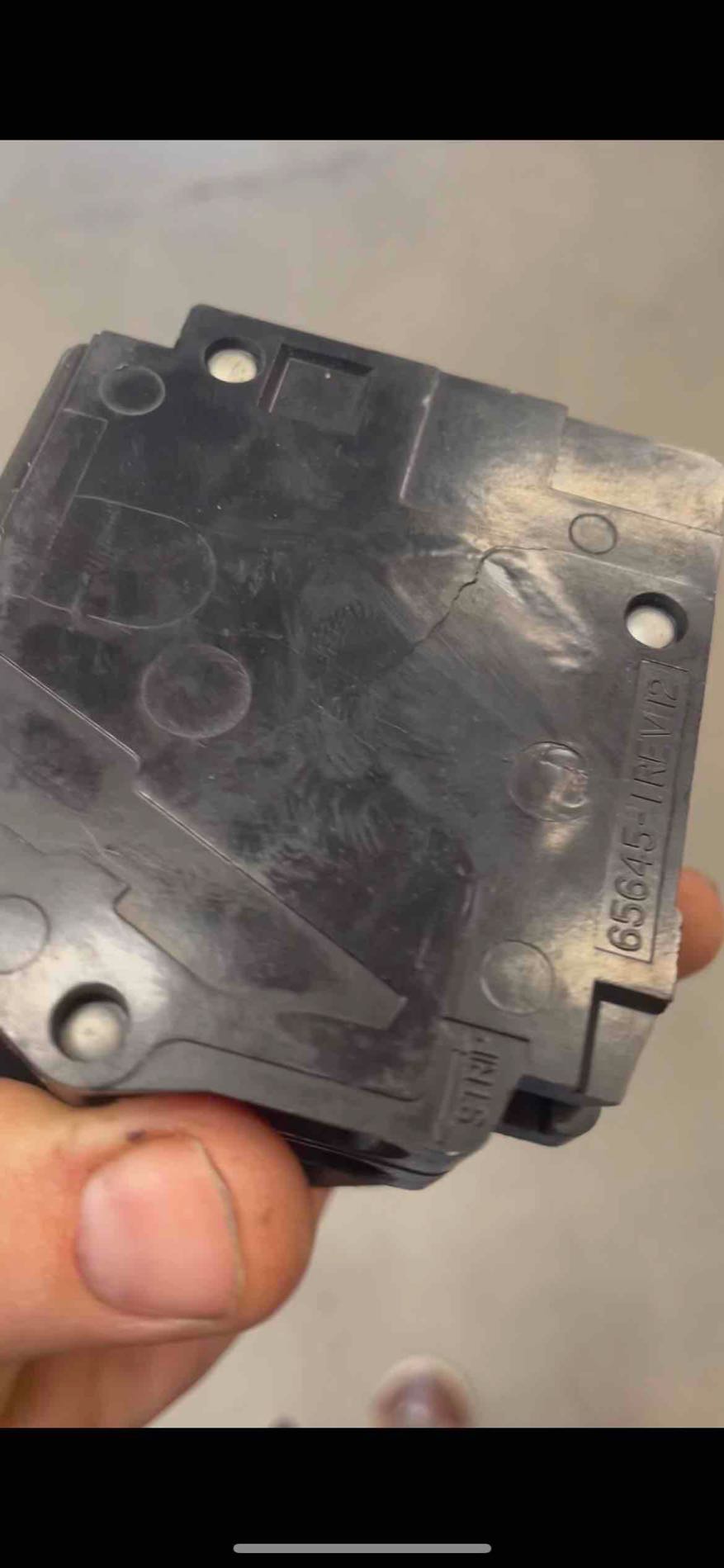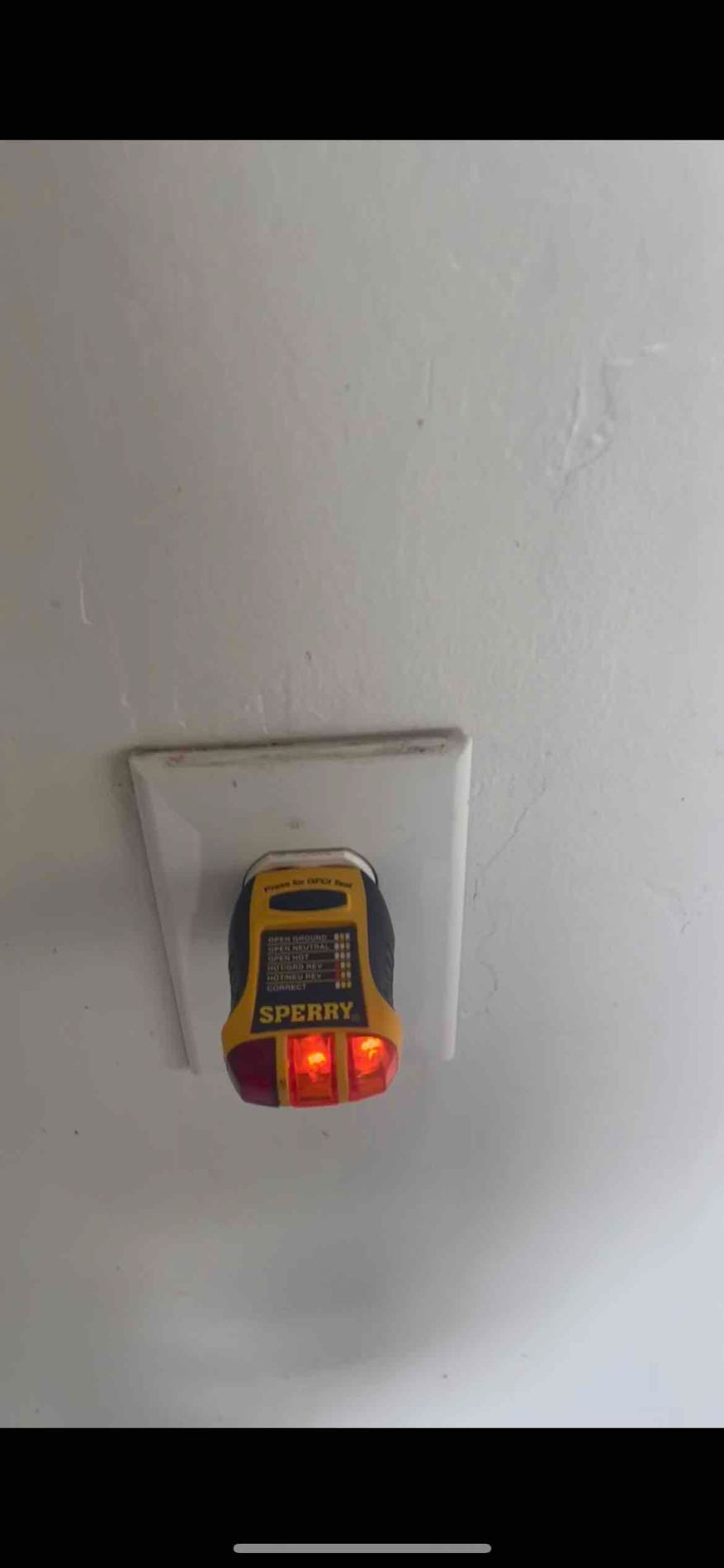
A worn or damaged device may need replacement, but appearance and location alone do not establish what is happening upstream. The approval should separate a like-for-like device scope from diagnostic testing, circuit correction, panel work, new routing, and finish access.
Define the reported device and intended use
Identify the exact outlet, switch, dimmer, sensor, control, or connection; the equipment it serves; and the reported symptom. Provide the proposed product model when a change is planned. Do not assume the existing box, conductors, support, or protection fits a new product.
Set the initial testing boundary
Qualified personnel should verify the accessible device condition and relevant electrical path needed to evaluate the report. The scope should state whether testing may extend to related devices, controls, accessible connections, circuit protection, or panel equipment and who can authorize that extension.
Keep replacement and correction scopes distinct
A device replacement scope should name the device, product, box or support assumptions, and operational check. A circuit correction should name the verified condition and included work. Panel changes, new circuits, concealed routing, permits, and finish repairs require their own defined scope when applicable.
Record the result without overreaching
Document the completed work and the check performed at the approved locations. List any remaining symptom, inaccessible area, or separate finding. Do not describe a local repair as proof that every device or circuit is safe or compliant.